

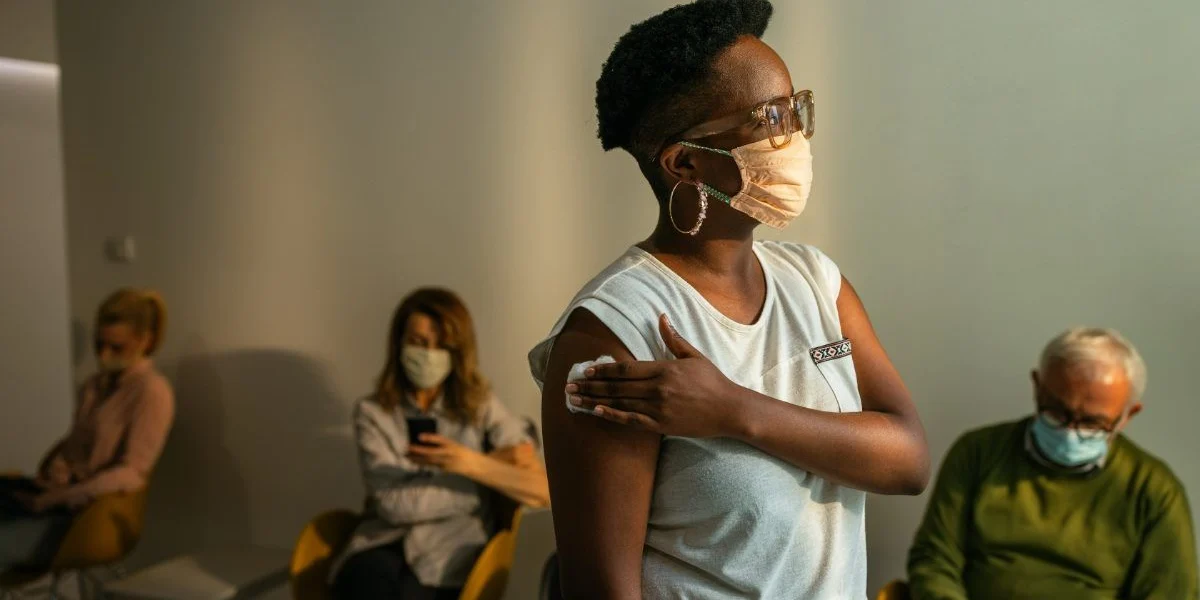
A research team from the Center for Vaccinology at the University of Geneva (UNIGE) and Geneva University Hospital (HUG), in Switzerland, recently looked into why some people experience serious side effects post-seasonal vaccination when, in most cases, side effects are mild or even non-existent.
The researchers found that the answer may lie in subtle changes to an individual’s immune system, which influence how their body responds to the vaccine.
The UNIGE and HUG researchers have published their findings in Science Translational Medicine. Some of the funding for the study was granted by the pharmaceutical and biotechnology company Moderna.
Arnaud Didierlaurent, Ing. PhD, associate professor at the Center for Vaccinology at UNIGE and HUG, and in the Department of Pathology and Immunology at the Faculty of Medicine, UNIGE, senior author of the study, explained in a press release:
“Whilst we know that older people tend to experience fewer reactions to vaccination because of age-related declines in immune function, and that the vaccine dose can influence the severity of side effects, the biological mechanisms underlying these individual differences in symptoms have remained poorly understood.”
For this study, the research team recruited 51 healthy adults with a median age of 43.5 years, who received 2 doses of a COVID-19 mRNA vaccine.
The researchers closely monitored participants for 1 week following the administration of each vaccine dose to register any side effects.
What they found was that “an interferon-related antiviral defense system [likely explains] differences in side effects between individuals,” said Natacha Madelon, PhD, senior research and teaching assistant at the Center for Vaccinology and first author of the study, in the press release.
Cells release interferon, a type of signaling protein, when they sense a virus, as a means of alerting other cells to get ready to fend off the pathogen. Yet not everyone’s bodies have the same ability to release these signaling proteins.
And “the more active a person’s natural interferon response, even before vaccination, the more pronounced their reactions to vaccination are likely to be,” Madelon explained in the press release.
When a person receives a vaccine, their body is essentially learning to respond to and fight the pathogen they are getting vaccinated against.
As the body learns, the immune system becomes activated, which explains the cold and flu-like symptoms some people experience after vaccination.
To better understand the differences in immune responses following vaccination, the researchers further experimented with mouse models.
They confirmed that, after the first dose of the vaccine, the mice developed antibodies, which are disease-fighting proteins and trained T cells, a type of white blood cells, to recognize these antigens.
Following the administration of the second vaccine dose, the researchers found that this acquired immunity can boost the response of other white blood cells called monocytes very rapidly, which, in turn, can lead to a stronger reaction to the vaccine.
Commenting on the study findings, Clare Thompson, MBBS, a general practitioner at the Cadogan Clinic in London, United Kingdom, who was not involved in this research, told MNT that “this new study suggests that some people are naturally more prone to short-term vaccine reactions because their innate immune system has a more active interferon response.”
Read more:Cancer: Blood test trends may predict risk better than single test
“Genetics, the microbiome, and previous inflammation may play a role, although more research is needed,” Thompson explained.
“It’s important to note that these were generally mild, temporary reactions rather than serious complications,” she added.
“There is currently no way to predict or prevent these immune responses,” Thompson told MNT.
“Most vaccine side effects settle within a few days, so rest, hydration, and simple measures such as [taking] paracetamol [acetaminophen], where appropriate, can help manage symptoms,” the doctor advised.
“The study also highlights that experiencing stronger side effects does not mean the vaccine is working better, and having little or no reaction does not mean it is less effective,” she emphasized.
Read more:Switzerland’s love of referendums helps us keep the far right at bay | Joseph de Weck | The Guardian
“The study does not identify a group who should avoid vaccination,” said Thompson.
“Its findings relate mainly to temporary symptoms following mRNA COVID vaccination, and the researchers are still investigating whether the same mechanisms apply to other vaccines, including flu vaccines,” she cautioned.
Thompson advised that, for the time being, the only people who need to seek medical counsel before receiving a seasonal vaccine are those concerned about a potential serious allergic reaction to a vaccine ingredient.
Read more about the current vaccine guidelines for seasonal flu, COVID-19, and RSV shots here, and how to cope with vaccine anxiety here.