

Skin cancer is the most common form of cancer in the United States. While melanoma is much less common than some other skin cancer types, it is considered to be the most serious form. This is primarily due to its ability to spread to other organs more rapidly without early intervention.
Melanoma rates in the U.S. have been rising rapidly over the past 30 years, and estimates suggest that 234,680 new cases of melanoma will be diagnosed in the U.S. in 2026.
While treatment can remove or destroy the cancer, it is not uncommon for melanoma to recur, usually coming back within 5 years of treatment. Current treatments often include immunotherapy drugs such as Keytruda (pembrolizumab), which helps the immune system recognize and attack cancer cells.
Now, trial findings presented at the 2026 American Society of Clinical Oncology (ASCO) Annual Meeting in Chicago suggest a combination of a personalized mRNA cancer vaccine developed by Moderna and used alongside Merck’s Keytruda may significantly reduce the risk of melanoma spreading after surgery, reducing the risk of distant metastasis by 59% over 5 years compared with Keytruda alone.
As a conference presentation, the results of the study are yet to be published in a peer-reviewed scientific journal.
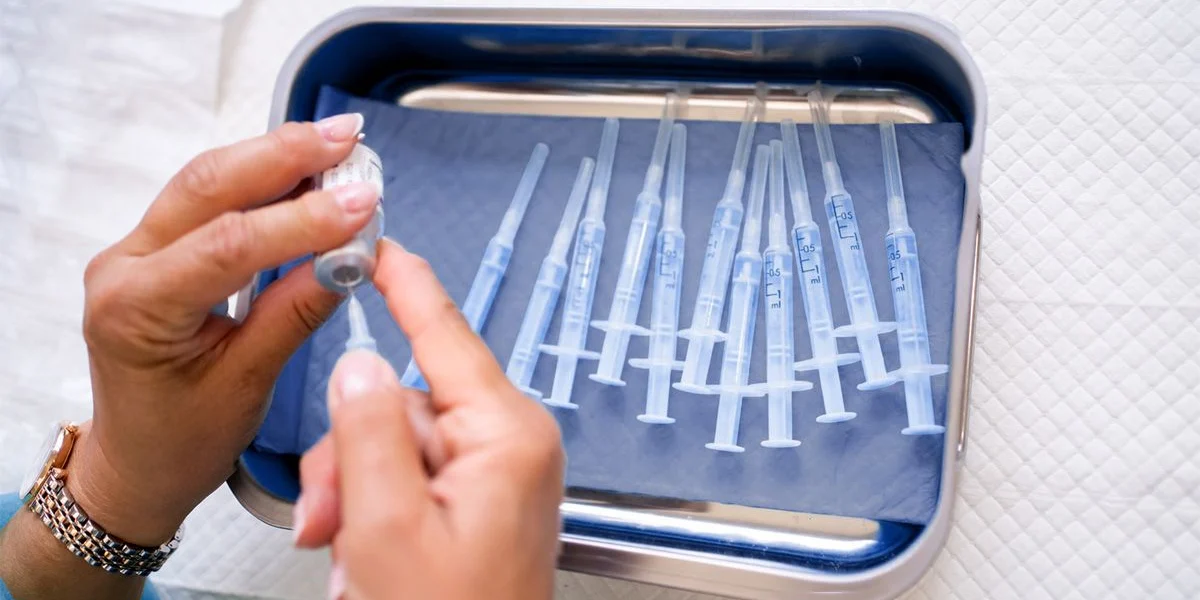
The experimental vaccine, known as intismeran autogene and formerly called mRNA-4157 or V940, is designed individually for each patient using genetic information from their tumor.
Read more:Brazil’s Ancelotti: No regrets taking injured Neymar to World Cup
Researchers analyze genetic tumor variations and create an mRNA vaccine encoding neoantigens, which are proteins unique to the cancer cells and a promising target for cancer therapy.
The vaccine is then intended to “train” the immune system to recognize and destroy cells carrying those alterations.
Unlike preventive vaccines, such as the flu shot, cancer vaccines are therapeutic. This means a person receives it after a cancer diagnosis to treat the existing disease by boosting the body’s immune response, rather than giving it before to ward off future diseases.
Intismeran autogene was tested in combination with Keytruda. This is a checkpoint inhibitor that removes some of the immune system’s natural brakes, potentially enhancing the body’s anticancer response.
“The vaccine can be considered a personalized approach that is ‘tumor informed’ meaning that neoantigens from a patient’s individual tumor are used in the vaccine design,” study senior investigator Janice Mehnert, MD, a professor in the Department of Medicine at NYU Grossman School of Medicine, explained to Medical News Today.
“This is given with the anti-PD-1 therapy which is more of an empiric and standardized approach to result in truly personalized therapy,” Mehnert detailed.
Read more:Colorectal cancer: New guidelines add 2 types of screening tools
“We also show that this tumour informed approach has benefits with regards to toxicity,” said presenting author Matteo Carlino, BMedSc, MBBS, a medical oncologist at Westmead and Blacktown Hospitals, faculty member at Melanoma Institute Australia, and a clinical senior lecturer at The University of Sydney in Australia.
“Prior attempts to improve on single agent anti-PD1 with dual checkpoint inhibition lead to higher rates of immune related toxicities (irAEs). Such toxicities are particularly concerning in the adjuvant setting. In our study the combination did not increase the rate of irAE, and was actually associated with a slightly lower rate or irAEs,” added Carlino.
The phase 2b clinical trial, known as KEYNOTE-942, enrolled 157 patients with high-risk melanoma who had undergone surgery between 2019 and 2021.
After 5 years of follow-up, those receiving the Intismeran autogene plus Keytruda had a 59% lower risk of the cancer spreading to distant organs compared with those receiving Keytruda alone.
Notably, overall survival was 92.2% in the combination group versus 71.3% in the Keytruda-only group.
“The benefits we have seen with respect to improved relapse-free survival have persisted over time, and the translational studies show proof of concept that intismeran is contributing to mounting a meaningful immune response.”
Read more:FDA-cleared AI risk tool could help guide breast cancer therapy
– Janice Mehnert, MD
The latest results also build on earlier analyses showing the combination reduced the risk of recurrence or death by 49% at the 5-year mark, consistent with previous 3-year data reported in 2023.
Mehnert was not surprised at the durability of the response seen over 5 years, given the 3 year data, and was pleased with the results.
“This is a clinically meaningful finding in that at least in these phase 2 results, we see a demonstrated improvement over the existing standard of care,” she noted.
“Further to this the translational data showing an increase in T cell clonality with Intismeran/pembro as well as a greater number of novel T cell clones provides a mechanistic link between Intismeran and the improvements seen,” Carlino told MNT.
Researchers reported that 7 patients in each treatment group died during follow-up, most due to cancer. The safety profile appeared consistent with earlier analyses.
The findings add to growing evidence that personalized cancer vaccines could become an important part of melanoma treatment in the future.
Read more:BTS, Cardi B, Lainey Wilson, Muse, Snoop Dogg and others will perform at iHeartRadio Music Festival
Researchers note the data are encouraging because they suggest the immune response generated by the personalized vaccine may remain durable over time.
The results show the vaccine-induced immune response can remain functional for up to 5 years. This indicates that it can successfully establish lasting immune memory capable of preventing cancer recurrence.
This durability strengthens confidence in the personalized vaccine strategy. However, further research is still necessary. If larger trials confirm the findings, personalized vaccines could eventually become part of standard treatment for melanoma and potentially other cancers.
Researchers have already fully enrolled a phase 3 trial, known as INTerpath-001, which is evaluating Intismeran autogen in melanoma. In addition, there is also a series of other studies across non–small-cell lung cancer, renal cell carcinoma, and bladder cancer.
Although the results are promising, the study was relatively small, and larger trials are still necessary before the treatment can be approved for routine clinical use.
Read more:Brain health: Some damage from high-sugar diets may be irreversible
Additionally, personalized vaccines also involve a complex manufacturing process, as each dose must be custom-built from an individual’s tumor sample. As such, this approach will also need to be affordable and efficient on a larger scale.
“The vaccine does take time to make and the tumor will need to be requested and received by the manufacturer,” Mehnert clarified.
“While starting therapy is usually not urgent in patients who have had surgery, there is an understandable desire on the part of patients and physicians to begin therapy as soon as possible. We — the study investigators and manufacturer — are all working together to streamline this workflow to address this obstacle,” she told us.
“[Si]ignificant efforts have already occurred to be able to streamline/upscale manufacturing from the time of our study where 107 patients were treated,” Carlino added. “Now, many thousands of patients have received Intismeran on multiple clinical trials and capacity is now in place/is being expanded to meet the demand once Intismeran is approved.”
While more investigation is still necessary, the findings represent a strong sign that personalized cancer vaccines may have long-term clinical benefits.