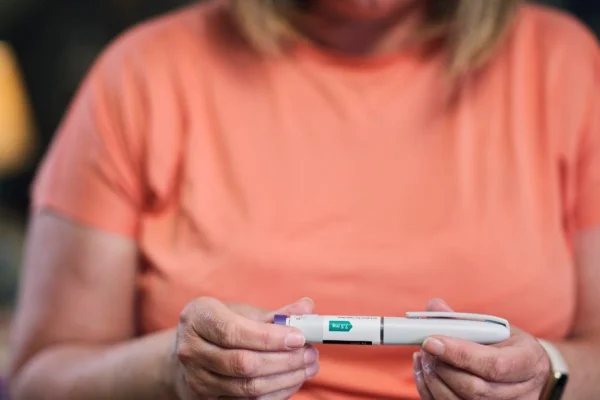


Type 2 diabetes is estimated to affect more than 460 million people worldwide. Cases have continued to rise over recent decades, with projections suggesting that more than 1 billion people will be living with the condition by 2050.
While researchers have established certain risk factors for type 2 diabetes, such as having overweight or obesity, or having a family history of the condition, growing evidence is highlighting the potential role of the gut microbiome.
The gut microbiome refers to the trillions of bacteria and other microorganisms that naturally live in the digestive tract. Previous studies have noted a link between the gut microbiome and certain health conditions, including type 2 diabetes.
However, it remains unclear whether changes in the gut microbiota occur before the disease develops or result from it.
Now, a large Swedish study suggests that changes in the gut microbiome could help identify people at increased risk of developing type 2 diabetes years before symptoms appear.
The study, published in Cell Reports Medicine, found that several bacterial species were associated with a higher likelihood of developing type 2 diabetes.
Read more:Ex-Man United striker Diego Forlán set to become Uruguay head coach
This means it may be possible to detect type 2 diabetes years before it develops by analyzing gut bacteria, helping identify people who would benefit from earlier preventive interventions.
As part of the European research project HealthFerm, researchers at Chalmers University of Technology led a large epidemiological study involving 4,685 Swedish adults whose microbiomes were examined in stool samples.
Of the study participants, 383 developed diabetes after an average follow-up of 5 years, and early common denominators were observed in their gut microbiota.
Because this study followed participants over time, the researchers were able to observe changes to the microbiome several years before the disease developed.
Comparing the microbiomes of those who went on to develop the condition with those who remained diabetes-free, the researchers identified 9 bacterial species associated with future diabetes risk. Of these, 6 were linked to increased risk, while 3 were linked to decreased risk.
These findings indicate that the composition of the gut microbiome may play a role in the development of diabetes, rather than the other way around. Because this study followed participants over time, it strengthens the case that certain bacteria may be involved earlier in the disease process.
Read more:Anya Taylor-Joy is bloodied and battling in Apple TV’s crime thriller ‘Lucky’
Study author Gaël Toubon, PhD, a postdoctoral researcher in food science at Chalmers’ Department of Life Sciences was not surprised that changes in the gut microbiome could be detected several years before a diagnosis of type 2 diabetes:
“Previous studies had suggested that the gut microbiome is linked to T2D, but most of them have compared people who already have T2D with those who do not,” he explained to Medical News Today.
“Finding microbial signatures years before diagnosis strengthens the idea that the gut microbiome may play a role early in disease development, rather than simply reflecting established diabetes.”
— Gaël Toubon, PhD
An unexpected finding involved Akkermansia muciniphila, a bacterium often linked with positive metabolic health. Individuals who later developed type 2 diabetes had higher levels of this bacterium than those who did not develop the disease.
The researchers propose that dietary habits may determine whether certain gut bacteria are beneficial or harmful.
Typically, A. muciniphila feeds on dietary fiber. However, when fiber intake is low, the bacterium may instead begin breaking down the protective mucus layer lining the gut.
This could weaken the gut barrier, enabling other bacteria to interact more closely with the intestinal lining and potentially contributing to inflammation and metabolic changes associated with insulin resistance.
Another bacterial species, Coprococcus catus, appeared to show a threshold effect. Very low levels of the bacterium were linked to increased diabetes risk, whereas higher levels were not.
The findings raise the possibility that stool-based microbiome analysis could eventually complement existing approaches to diabetes risk assessment.
Rather than replacing current screening methods, healthcare professionals could use microbiome testing alongside current measures such as blood glucose, body weight, and family history to improve the prediction of who is most likely to develop the disease.
However, the researchers caution that the findings are not yet ready to change clinical practice.
“The microbiome could provide additional biological information that complements traditional risk factors, potentially helping identify people at risk earlier or more precisely,” Rikard Landberg, PhD, Professor at the Department of Life Sciences and lead author of the study, told MNT.
Read more:Ultra-processed foods: Excess fat in blood may harm metabolism
“However, before it can be used clinically, findings need to be replicated in diverse populations, standardized methods are needed, and we must demonstrate that microbiome-based prediction improves clinical decision-making beyond existing tools,” he stressed.
Additionally, as the study was observational, it cannot prove that the bacteria themselves cause type 2 diabetes. While it highlights microbiome changes before diagnosis, further studies in other populations will be necessary to confirm these findings.
If future research establishes that certain gut bacteria actively contribute to the development of diabetes, the microbiome could also become a target for personalized prevention strategies. Unlike genetic risk factors, the gut microbiome can be influenced by lifestyle changes, including alterations to dietary patterns.
Although the findings point to the potential importance of gut bacteria, the researchers emphasize that the study does not support specific dietary recommendations based on microbiome composition at this stage.
Instead, they suggest that the results reinforce existing public health guidance encouraging eating patterns rich in dietary fiber from fruits, vegetables, legumes, and whole grains.
“Dietary fiber is a major source of nutrients for many gut bacteria, and it can influence both which microbes thrive and how they function. When there is plenty of fiber available (through diet), gut bacteria produce compounds that help support the gut barrier and regulate metabolism and inflammation,” Toubon highlighted.
Read more:Once, cyber-attacks required great skill. AI is changing that | Bruce Schneier | The Guardian
“In our study, Akkermansia muciniphila was associated with a higher risk of future T2D mainly among people with lower fiber intake, whereas this association was much weaker in those consuming more fiber, suggesting that diet can modify how gut microbes relate to health.”
— Gaël Toubon, PhD
“While our findings don’t prove that increasing fiber will change disease risk, they definitely add to the growing evidence supporting a fiber-rich diet for metabolic health,” Toubon added.
The researchers suggest that understanding the interaction between diet and the microbiome may help them develop more personalized approaches to preventing type 2 diabetes. For now, they note that larger studies will be needed to validate their findings before microbiome testing could become part of routine diabetes screening.
“Our study reinforces the importance of maintaining a healthy lifestyle, particularly eating a diet rich in fiber from foods such as whole grains, fruits, vegetables, and legumes,” Rikard Landberg, PhD, said.
“Rather than focusing on individual ‘good’ or ‘bad’ bacteria, it’s better to support a healthy and diverse gut microbiome through long-term dietary and lifestyle habits, which are also known to promote metabolic health,” he added.