

The other day, I made a mistake at work.
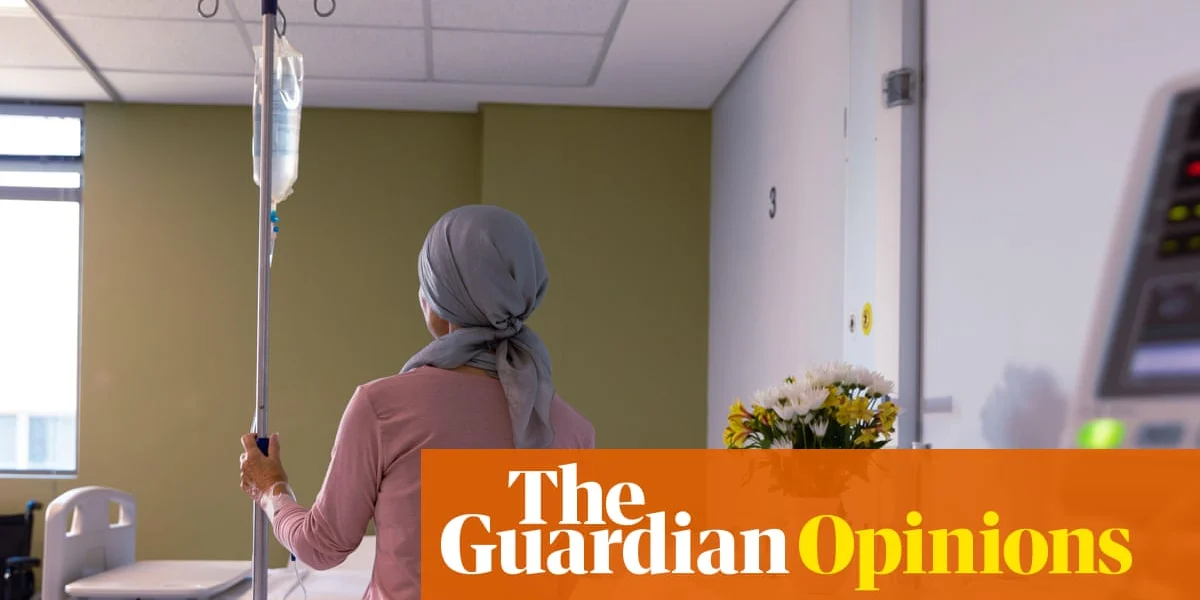
It was the end of a long day. I had already run an outpatient cancer clinic with dozens of unwell patients and then moved on to inpatient rounds on a busy medical unit.
My small team cares for 30 patients aged 25 to 100.
The younger ones often live with disability and mental illness. Elderly people present with falls, organ failure and dementia. The diagnoses are common, but the stories are distinct.
People have tripped, taken too many pills, or have “no idea what happened”. Some are delirious and dying, though no one has quite said it aloud. Others report pain. A few are homeless. Nearly everyone has undergone a battery of tests – many of them unnecessary.
The carer of a disabled young man finds me to tell me gently but firmly that he’s in pain.
“I believe you,” I reply, scrambling to prescribe analgesia. Thank goodness for carers.
Another patient is agitated after weeks in hospital. Each day we try something new with no result. I make a mental note to call his wife.
Elsewhere, a patient with dementia has been effectively evicted from her nursing home for periodic aggression. Everyone agrees this is wrong, but the responsibility for advocacy falls, once again, to the medical team. She will languish here.
A tidy ward round requires clearing the mind between patients. But when the problems are deeply human, that is impossible. Each interaction leaves a residue until the individual concerns blur into a dense mass, most of them requiring some form of medical oversight.
Unsurprisingly, my mind is saturated with everything I must do, cannot do, and am not equipped to do. It’s a peculiar feeling to work at the height of your capacity and still know that you have not done enough.
Read more:Colombia earthquake forces postponement of Conmebol, league games
My mistake comes at the end of the day. I prescribe a medication I have ordered hundreds of times before, but I get the dose wrong. An attentive pharmacist queries it and I correct the error.
Thankfully, no patient was harmed. Still, the mistake lingers.
One interpretation is that human error is inevitable and that the system worked as intended. But that is false comfort. When lives are at stake, the error should not occur.
I consider the usual explanations. Poor sleep, exercise, diet, unusual stress: not much is relevant here.
I worry whether after 25 years my attention is slipping. But experienced clinicians are often better at filtering noise and focusing on what matters. This aligns with what I see in students and junior doctors.
Read more:Nigeria out of WAFCON in shock loss to Cameroon, who qualify for World Cup
Eventually, I arrive at a simpler explanation: cognitive overload.
There were too many patients, each with competing needs where prioritisation is not always straightforward. It is one thing to choose between cooking and laundry; it is another to weigh stroke against trauma, delirium against dying.
The standard response is that there are too few doctors managing too many patients. That is true, but an incomplete explanation. No health system is overstaffed or overfunded. Across the world, outpatient clinics are crowded, and many doctors work under unthinkable conditions.
Comparison, however, is not the point. Patients are entitled to careful, attentive care. They should not feel fortunate simply because their doctor listens.
An ageing population with a high burden of chronic disease is poorly served by a hospital-centred system. The prescription for a different kind of healthcare demands political courage and long-term thinking.
Nearly half of my inpatients could be managed in the community. Patients who fall would benefit more from preventive allied health interventions. Nursing home residents often endure the indignities of hospitalisation when care could be delivered in place. Patients with primarily social needs require social workers, not doctors. Mental illness requires an array of providers. Patients on chemotherapy or dialysis become unwell at all times, yet their support is confined to business hours.
Initiatives such as virtual emergency departments and urgent care clinics attempt to reduce hospital demand. Even so, the default pathway for most patients remains the public hospital. Despite their well-documented shortcomings, hospitals are still perceived as the final bastion of safety.
The more important question is whether every patient needed to be there at all.
The most common reason people become doctors is because they want to help people. That is precisely why it feels so awful to make mistakes that could harm.
When doctors err, the instinctive question is often: is it time to quit?
Self-reflection is important but it is misplaced when the primary constraint is a system that is not fit for purpose.
Mistakes leave permanent impressions – on patients who trust us and doctors who want to deserve that trust.
The reflex solution is to train and employ more doctors. A more realistic one is to reduce the number of patients who require hospital care.
Not because patients deserve less care, but because they deserve better care – delivered in the right place, by the right people, at the right time.