
There are fewer and fewer stories coming out of the land of my birth. Before, I would open Instagram and see my cousins, lip-syncing to trending videos, posing with flowers at a rose garden or at a trendy cafe in their coolest outfits, keeping a record of their lives. I would hear British-Afghan friends talk about their recent trips to the provinces, towns and cities of their foremothers and the buzz of learning about their heritage. I would eagerly await the latest music video from Afghanistan’s many pop stars, all vying to become the hottest track played at weddings, not just in Afghanistan but all over the world. Afghanistan, its culture, and people felt closer back then.
Five years ago today, the brittle peace of the fragile new democracy was shattered by the withdrawal of western military, diplomatic and charitable groups that had intervened in the country’s fate since 2001. Overnight, on Sunday, 15 August 2021, Afghanistan was undone and abandoned.
I spent the rest of the month glued to my phone, monitoring WhatsApp groups sprouting every day or so, with people asking for information and help, begging me to get them out of the country because we all knew what was coming, though the rest of the world seemed to lag behind.
Read more:Bonnie Tyler fans line the streets of a Welsh village as her coffin is brought home
I was most focused on evacuating one friend from Kabul. She was a headteacher, and it was always her house I would go to first, whenever I went to Afghanistan. I had to have achingly tough phone conversations with her. “You can’t bring your children or your husband. I can only do this for you,” I said. She would agree. “I think I can get you to Albania or Qatar, but you might be in a refugee camp for months or years.” She would agree.
The closest we came to getting her out her came six months later, in February 2022. I finally managed to get her a passport when it was virtually impossible to do so, but by then it was too late. The Taliban were running the airport and had cracked down on Afghans leaving the country.
The last conversation we had on the phone was one of the hardest of my life. I had to tell the woman who had inspired me for so long, a feminist and someone who had advocated for education and self-fulfilment her whole life, that I was going to stop trying to rescue her. “I’ve tried everything I can think of and pushed everyone I know, but I can’t get you on a flight out.” I felt her spirit break as her uncertain fate collapsed into one reality – a life under Taliban rule.
In a higher register than I had ever heard her voice before, she told me that this was going to wreak havoc on her already unmanageable diabetes; that she would never work or be self-sufficient again, and then she asked me a terrible question: surely to end her life now was better than carrying on?
After all, this was the second time in my friend’s life that she would have to live under a Taliban regime. Neither of us spoke in a protracted, painful silence as we both felt the crushing weight of a learned helplessness that she and millions of Afghans would become intimately familiar with. The line went dead.
Since then, our lives have diverged so much we cannot have a proper conversation. We try to speak but it feels as if the phone line is connecting parallel universes. Mine is full of work, family gatherings, gigs and holiday plans and hers of bombs, “morality police” and hand-to-mouth living. We both hesitate to share stories about our lives for fear it will upset the other. We have been rendered speechless.
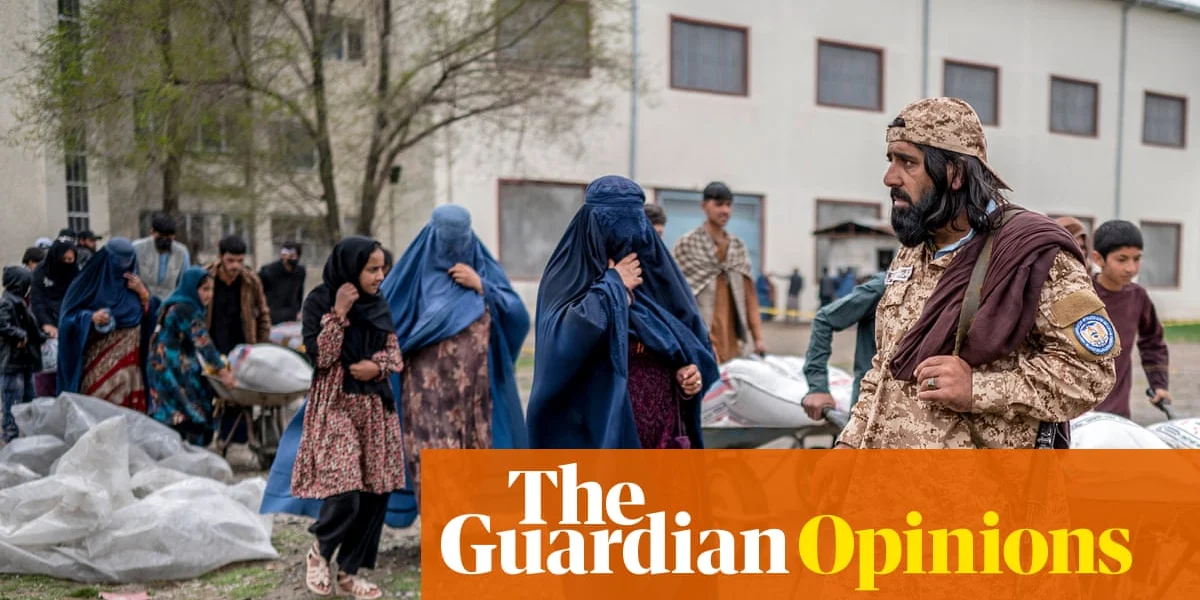
With the birth of the Islamic Emirate of Afghanistan ruled de facto by the Taliban regime, life changed immediately for my family and friends. The systemic assault on the female sex has resulted in the UN calling for gender apartheid to be recognised as a distinct crime against humanity.
“During the previous government, my mother forced me to go to school, attend taekwondo classes, and visit the library,” says a friend who was 14 at the time of the western desertion of Afghanistan. “She wanted me to learn and have opportunities. My father agrees with the Taliban’s rules. He believes I should get money from my future husband instead. For me, this feels like being sold, and it is something I cannot accept.”
It’s not just a gender war that has been raging in Afghanistan. In February 2026, Pakistan declared “open war” with its neighbour, unleashing airstrikes that killed hundreds, displacing many thousands more and devastating lives.
Read more:Liverpool owners sell stake to Jeff Bezos-backed consortium
A cousin tells me of the unadulterated fear these airstrikes brought on the citizens of Kabul. “It was truly frightening. Pakistani drones were launching rocket attacks, and we could only see the flames and hear the explosions in despair. I kept thinking that perhaps this time a rocket might strike our house.”
Add this to the 6 million refugees forced back to Afghanistan by Iran and Pakistan, the EU meeting with the Taliban in Brussels for closed-door talks, and half the population facing severe food insecurity, and you’d be forgiven for thinking, like me, that even God is merciless when it comes to the land of my birth.
It’s not that similar things hadn’t happened in Afghanistan before August 2021; it’s that I would also hear of other stories. Stories of heroism, a fight for democracy, a burgeoning arts scene, or event skating teenagers rocking the streets of Kabul. Now, there’s so little to do, such little movement possible, that almost everyone I speak to in Afghanistan sounds as though they’re suffocating. There is no distraction nor relief from the abject suffering of everyday Afghan people.
Read more:Cristian Romero seals transfer to Atlético Madrid from Tottenham
The question now is what does resistance and resilience look like? The Taliban are not an inevitability. In their entire history, they have been in power half as long as UK and US forces were in Afghanistan: 10 years.
Afghan people must keep their stories alive, of who and what we are, to help us rebuild an identity of our own making outside occupation and brutal theocracy for when the day arrives that the Taliban are no more. For me, that will mean calling my friend to learn about her life – to have, for the first time in five years, the impossible conversation.