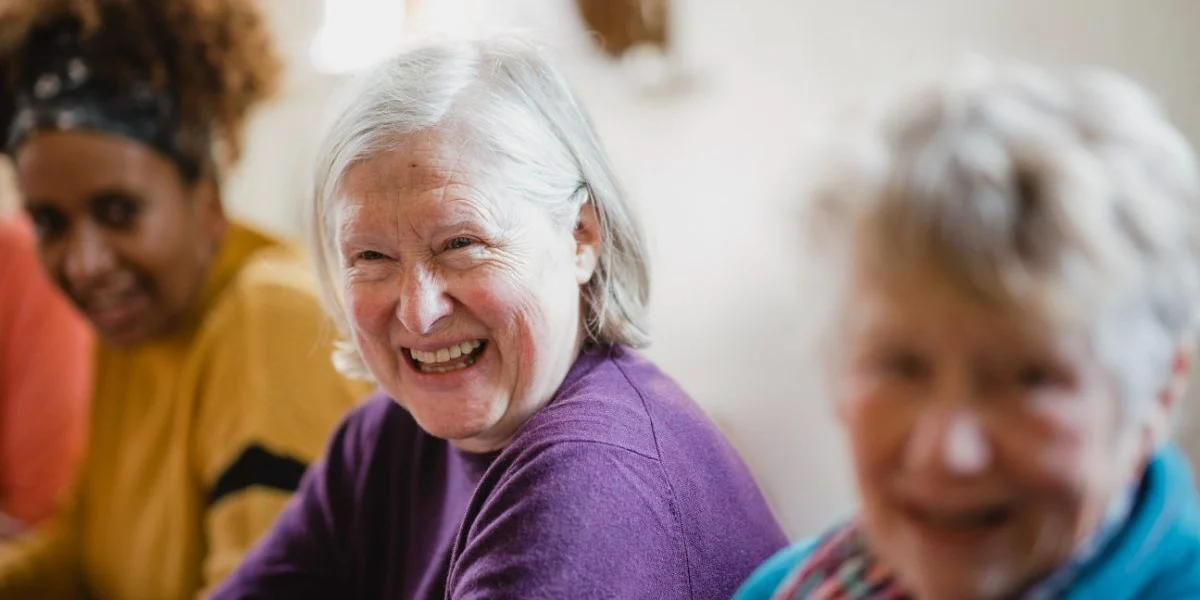
Taking part in social activities, such as volunteering and attending sports clubs, could help improve cognition in older age.
This is according to a study published in October in the Journal of Epidemiology & Community Health.
In a press release, the researchers note that the number of dementia cases is expected to reach 150 million by 2050, highlighting the importance of research into ways to reduce the risk and improve cognitive function.
While social isolation is a known risk for dementia, research into the association between social activity and both cognitive function and dementia risk has produced “inconsistent” findings, according to the researchers.
The new study aimed to evaluate the potential link between cognitive enhancement and social activities. The researchers assessed data from 5 nationally representative surveys across 24 countries, with each survey containing comparable information.
By comparing the type and amount of social activities each participant did with the cognitive scores obtained at different points in the survey, researchers were able to apply a z-score to determine the impact social activity had on cognitive function.
Read more:Best dressed at the 2026 Ballon d’Or: Kylian Mbappé, Sophie Turner lead the way
They found that individuals with higher z-scores were more likely to engage in a variety of social activities.
The study found that older adults who engaged in social activities, particularly in three or more, had higher cognitive z-scores, suggesting better memory and executive function.
In general, those who reported engagement in social activity had higher cognitive scores compared with those who did not take part in social activity.
Z-scores progressively increased based on the number of social activities, with those involved in 3 or more activities experiencing the highest cognitive scores.
Medical News Todayasked Seán Kennelly, MB, PhD, FRCP (Lond), FRCPI, FTCD, Consultant Geriatrician and Cognitive Specialist and Clinical Director at Re:Cognition Health Dublin whether he was surprised by these findings.
Read more:Ultra-processed foods linked to signs of brain injury in middle age
“No, I’m not at all surprised by these findings. We have known for some time that staying socially connected is good for our overall health and wellbeing, and there is growing evidence that it’s also important for maintaining good brain health as we get older,” said Kennelly, who was not involved in the study.
“When we socialise, we’re actually giving our brains quite a workout. We’re listening, remembering conversations, interpreting emotions, reading facial expressions, making decisions, and responding to others, often all at the same time. It’s an incredibly complex mental activity, even though we rarely think of it that way,” he added.
“What’s particularly encouraging about this study is its size, involving almost 58,000 people across 24 countries. […] While we can’t say from this study that socialising directly prevents cognitive decline, it adds further weight to the evidence that remaining socially active is an important part of healthy brain ageing.”
Participating in sports club activities and volunteer work was associated with a reduced risk of cognitive decline in all surveys.
Some activities, such as caring for children and attending training courses, were more likely to increase cognitive scores each year.
Read more:Influencers have taken over my city. If you can’t beat ’em, join ’em | Dave Schilling | The Guardian
However, not all activities benefited cognition. Participation in church, religious, political, or community groups was not consistently associated with improvements in cognitive function.
Shannel Elhelou, PsyD, neuropsychologist and founder of Brain Centric Neuropsychology in Westlake Village, CA, discussed with MNT why different activities could affect cognition.
“Activities engage us in different ways,” explained Elhelou, who was not involved in the study. “Volunteering can provide purpose and opportunities for problem-solving, sports clubs combine movement with social connection, and courses or child care involve learning, planning, and communication.”
She added, “The type of activity may matter, but personal interest and enjoyment are also important for sustaining participation.”
Kennelly agreed that enjoyment plays an important role in choosing social activities.
“I wouldn’t necessarily say that one particular activity is better than another. What probably matters most is that people are doing something they enjoy, that challenges them in some way, and keeps them connected with others,” he said.
While the study findings show an association between social activity and cognitive function, they cannot confirm whether social inactivity can cause cognitive decline.
However, the researchers suggest that the findings are consistent with the “use it or lose it” hypothesis, which proposes that engaging in stimulating activities may help support cognitive function, particularly in older adults.
MNTasked Kennelly and Elhelou about how significant the hypothesis could be in reducing the risk of dementia.
“It is a useful way to describe the potential value of staying mentally and socially engaged. However, dementia risk reflects many interacting factors. Engagement is best viewed as one part of a broader approach to brain health, alongside physical activity, sleep, and management of cardiovascular risk factors,” said Elhelou.
Read more:The Jane Doe in the Cornell seven case is getting threats | Arwa Mahdawi | The Guardian
Kennelly added, “I think we can actually be a little more ambitious than the traditional ‘use it or lose it’ principle when we talk about brain health. Our brains retain a remarkable ability to adapt, learn, and develop throughout our lives.”
He explained that, “[e]ven as we get older, we have plenty of opportunities to strengthen the connections within our brains and continue to build what we call cognitive reserve.”
Kennelly described cognitive reserve as “essentially the brain’s ability to cope with the changes that occur as we age, including the changes associated with diseases such as Alzheimer’s,” adding:
“We know that people with greater cognitive reserve tend to be more resilient to the effects of these diseases, meaning they may maintain their memory and thinking abilities for longer, even when some of the underlying disease changes are already present in the brain.”
He concluded, “Staying mentally and socially active cannot guarantee that someone won’t develop dementia. But the really encouraging message is that we don’t simply have to accept cognitive decline as an inevitable part of getting older. We can continue to challenge, strengthen, and support our brain health throughout our lives.”