
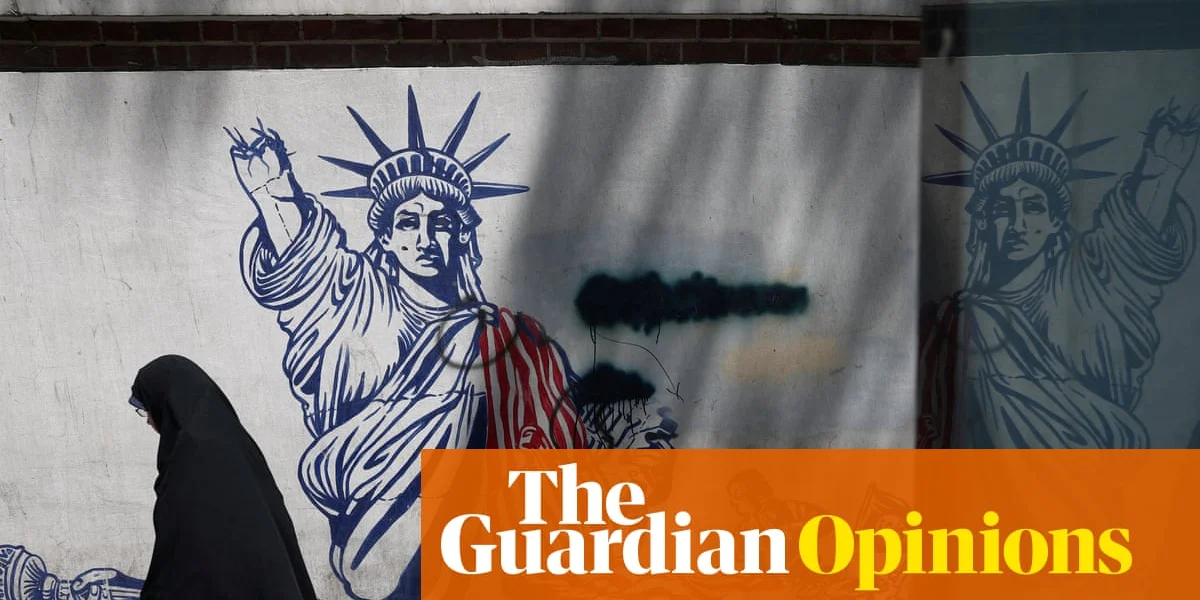
The US-Iran ceasefire is entering yet another round of escalation since it came into effect on 8 April. This week, there have been further strikes on Iran by the US, and Iranian retaliation on Kuwait and Bahrain, alongside Israeli escalation in Lebanon. Earlier flare-ups over the past two months were quickly contained. Both sides have tried to keep the balance between no war and no peace. But as this ceasefire drags on it risks becoming yet another Middle East stalemate, albeit one with international economic and political consequences.
Four obstacles are preventing progress. The first is trust. Iran does not believe Donald Trump can deliver a deal, much less stick to one. The fear is not only that Washington will walk away again but that the goalposts will keep moving, where first nuclear limits are imposed, followed by missiles, then regional policy and finally further political concessions dressed up as security guarantees.
Read more:Trump had no plan B for Iran. It shows | Kenneth Roth | The Guardian
The second obstacle is the absence of meaningful contact. Since the Islamabad meeting in April between the US vice-president, JD Vance, and Iran’s speaker of the parliament, Mohammad Bagher Ghalibaf, there has been no direct channel capable of turning political signals into compromise. Instead, negotiations are moving through regional mediators and a serial exchange of proposals.
The third obstacle is the gap between what each side needs. Iran wants details and commitments, such as which sanctions will be lifted, when revenues will be unfrozen, how enforcement will work, and what protection will exist against another US reversal. Trump wants a faster and looser memorandum of understanding that can be announced and sold as a breakthrough. One side is searching for guarantees and the other for a headline and victory.
Read more:Artists threaten legal action against Venice Biennale over inclusion in visitors’ ballot
The fourth obstacle is domestic politics. Any agreement between Iran and the US is toxic for both sides. In Washington, it will be attacked as appeasement by Republican hawks and Democrat opponents before the ink is dry. In Tehran, for a younger generation of up-and-coming leaders, compromise without serious guarantees and sanctions relief after weeks of bombardment risks looking like surrender.
The deeper problem is that both sides think they are winning and that time is on their side. Iran believes it survived the combined pressure of the US and Israel. Its leadership feels emboldened by the fact that the state did not collapse, its command structure endured and its leverage increased through the closure of the strait of Hormuz. Tehran thinks Washington needs deescalation more urgently because disruption will land in US petrol prices, global inflation and the politics of the midterms.
Read more:Steven Spielberg on his faith in alien life, the future of the movies and the power of empathy
The US sees the picture differently. It believes it has demonstrated overwhelming military strength. It sees Iran’s proxies as degraded, its deterrence punctured and its economy under severe pressure. Washington assumes Tehran will eventually accept a limited deal because the alternative is more isolation, more sanctions, economic collapse and more military vulnerability.
The truth is that both are losing.
For the US, the costs are political, economic and strategic. A ceasefire that repeatedly erupts into violence will keep energy markets nervous, expose Gulf partners to retaliation and further undermine Washington’s claim that it can impose order.
Read more:Man City’s first bid for Elliot Anderson rejected by Nottingham Forest – sources
For Iran, survival is not victory. At home, a battered economy and an untested leadership will eventually have to explain why endurance has not translated into relief. Inflation reached 77% in May, while the rial has fallen to 1.7m to the dollar. The memory of January’s protests and the brutal crackdown that reportedly left at least 7,000 dead still hangs over the political landscape. Repression, executions and a heavier military presence may succeed in containing dissent for now, but they cannot erase the grievances that brought people on to the streets.
This is the danger of the current moment. The ceasefire has held just enough to prevent a total return to all-out war, but not enough to create peace. It has allowed both sides to pretend that prolonged negotiations and delay will yield results. Yet stalemates in the Middle East rarely remain frozen, and escalation in fits and starts or sudden bursts is certainly part of this status quo.
Read more:Scott Pelley of ’60 Minutes’ accuses CBS News head Bari Weiss of ‘murdering’ the show, report says
Washington and Tehran still have a narrow window to turn this pause into a political process. That requires more direct communication, faster movement and a precise and realistic timeframe for next steps. There must be compromise and an acceptance that neither side can bomb or blockade its way to a durable deal. It also requires confident and bold leadership from both sides to make an agreement that will certainly not satisfy all constituencies and critics. Without that, the April ceasefire will not be remembered as the beginning of a phasedown, but will set the groundwork for the next cycle of escalation.