
Kalo te përmbajtja
  • EN
  • SQ
  • IT
  • FR
  • ES
  • DE
  • EL
VA-NEWS VA-NEWS
  • Home
  • News
  • Opinion
  • Health
  • Technology
  • Sport
  • Lifestyle
  • Entertainment
  • Travel
LIVE
Navigation

VA-NEWS

  • Home
  • News
  • Opinion
  • Health
  • Technology
  • Sport
  • Lifestyle
  • Entertainment
  • Travel
Shortcuts
Home Latest
LIVE
Gjuha
  • EN
  • SQ
  • IT
  • FR
  • ES
  • DE
  • EL

Search news

  1. Kryefaqja
  2. Opinion
  3. The Guardian view on global corporate tax: a $500bn prize that states must seize | Editorial | The Guardian
Opinion

The Guardian view on global corporate tax: a $500bn prize that states must seize | Editorial | The Guardian

• August 3, 2026 • 4 min read
◉ WhatsApp 𝕏 X
News

Governments are told that public services must shrink because money is tight. Yet a new Tax Justice Network report says that countries could capture an extra $500bn a year without raising corporate tax rates. The answer is to tax multinational profits where real economic activity happens – known as unitary taxation. No new profit is created. Revenue simply shifts from tax havens where profits are “booked” to the countries where workers produce and customers spend.

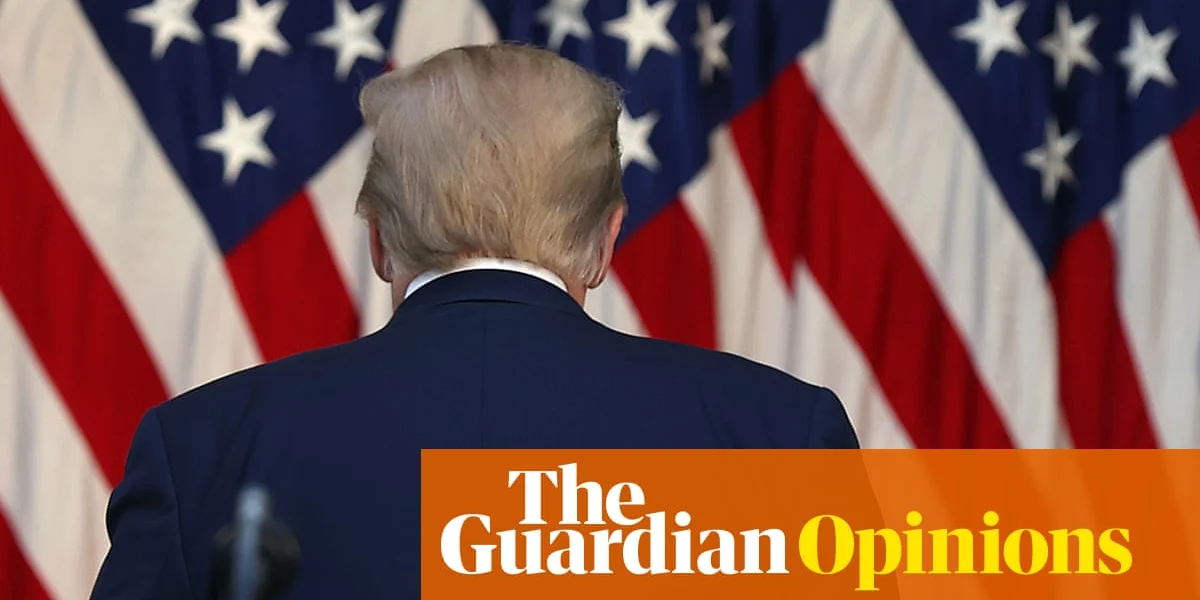
Making that principle a global tax standard depends on UN talks opening in New York on Monday. Modelled on the UN climate regime, a fiscal framework convention would create the governing body and procedures, with protocols providing detailed rules. The UN wants agreement by late 2027. Donald Trump’s US walked out last year and urged others to follow. None did.

Read more:Wrexham end pre-season with defeat to Sunderland in Philadelphia

Rich countries gain most when firms pay tax where people work, not where profits vanish in havens, because their economies are the largest. Britain would collect about £13bn extra a year in tax receipts – two‑thirds of the cost of an NHS-style social care system. EU governments could raise enough to quadruple climate-adaptation spending. Poorer countries also benefit. The report calculates that the global south would receive $156bn in one year – more than the International Monetary Fund has outstanding in loans to those nations.

Read more:FCC chairman defends actions against ABC, says broadcasters must operate ‘in the public interest’

For the first time in decades, multinationals could be taxed where they actually do business. Rules built for the corporate world of the 1920s – when national industrial giants dominated – would finally confront today’s companies organised around intangible assets and global supply chains, as well as profits of an altogether different scale. In 1929, General Motors made the equivalent of $4.7bn. Apple’s profit last year was $112bn. What the report calls “diversified” tax havens such as Switzerland and the Netherlands could offset losses by raising rates. Pure booking centres such as the Cayman Islands could not.

The talks suggest states are beginning to reclaim powers surrendered under globalisation to corporate lawyers and private tribunals. One protocol would let countries tax digital and other cross-border services without waiting for firms to establish domestic offices, blunting Mr Trump’s trade threats. A second could go further, shifting tax disputes from secretive investor-state arbitration into a more open, publicly accountable UN-led system.

Read more:My highly educated Uber driver’s heartache underscores how transactional Australia’s visa regime has become | Julianne Schultz | The Guardian

The direction is unmistakable. Ireland, which is facing an estimated $11bn annual tax loss, has already begun putting aside part of its “windfall corporate tax receipts” in a new fund – an admission that the revenue won’t last. India and Nigeria have legislated so that companies profiting from their economies should not escape the tax net just because they operate across borders.

Read more:Comic-Con 2026: Marvel returns to Hall H and ‘Spaceballs’ sequel hype begins

Britain has belatedly backed a UN-led shift towards taxing real activity. Defending rules entwined with its offshore network was politically indefensible and economically perverse. The US can sit out the negotiations, but it cannot shield American companies from others’ rules. The success of these talks has largely been down to African nations insisting on consensus where possible and majority rule where necessary. That denies the US and any rich-country bloc an effective veto. Backed by India, Brazil and other developing powers, an African-led coalition can now press a simple claim: countries should be free to tax value created within their economies. Britain should help them prevail.


Read also
Opinion

Annie thought perimenopause symptoms were keeping her awake. Alcohol was playing a role too | Diane Young | The Guardian

Opinion

I’m all for the nanny state – but we should abolish fines for holidays in term time | Rhiannon Lucy Cosslett | The Guardian

Tags: #Apple #Brazil #Donald trump #General motors #Has #India #New york

Journalist

From the same category
  • Annie thought perimenopause symptoms were keeping her awake. Alcohol was playing a role too | Diane Young | The Guardian
  • I’m all for the nanny state – but we should abolish fines for holidays in term time | Rhiannon Lucy Cosslett | The Guardian
  • For most US small businesses, Trump’s tariffs aren’t the big issue they were | Gene Marks | The Guardian
  • Decades on from the US’s disastrous campaign in Afghanistan, Trump is making all the same mistakes | Simon Tisdall | The Guardian
  • As retired US judges, we’re not used to speaking out. But we cannot be silent | Michael P Donnelly and Robert F Orr | The Guardian
From the same tags
  • Annie thought perimenopause symptoms were keeping her awake. Alcohol was playing a role too | Diane Young | The Guardian
  • I’m all for the nanny state – but we should abolish fines for holidays in term time | Rhiannon Lucy Cosslett | The Guardian
  • For most US small businesses, Trump’s tariffs aren’t the big issue they were | Gene Marks | The Guardian
  • Decades on from the US’s disastrous campaign in Afghanistan, Trump is making all the same mistakes | Simon Tisdall | The Guardian
  • Trump is determined to pursue his trade war – and he may be difficult to stop | Eduardo Porter | The Guardian
Similar articles
Opinion

Annie thought perimenopause symptoms were keeping her awake. Alcohol was playing a role too | Diane Young | The Guardian

When Annie* started pacing around her house at 3am and struggling to find words during work meetings, she…

• 6 hours ago • 6 min read
Opinion

I’m all for the nanny state – but we should abolish fines for holidays in term time | Rhiannon Lucy Cosslett | The Guardian

Perhaps it’s my stage of parenthood, or the fact that I’ve been lying awake at night, but I…

• 6 hours ago • 6 min read
Opinion

For most US small businesses, Trump’s tariffs aren’t the big issue they were | Gene Marks | The Guardian

Rebounding from his defeat at the supreme court in February, Donald Trump has recently announced a new round…

• 6 hours ago • 5 min read
VA-NEWS VA-NEWS

Modern portal of reliable, independent and multilingual news. Accurate information, every day.

  • Health
  • Lifestyle
  • News
    • World
  • Opinion
  • Sport
    • Football
  • uncategorized
  • © 2026 VA News. Made with ♥ in Albania
    ⌂ Home ◷ Latest

    Powered by
    ►
    Necessary cookies enable essential site features like secure log-ins and consent preference adjustments. They do not store personal data.
    None
    ►
    Functional cookies support features like content sharing on social media, collecting feedback, and enabling third-party tools.
    None
    ►
    Analytical cookies track visitor interactions, providing insights on metrics like visitor count, bounce rate, and traffic sources.
    None
    ►
    Advertisement cookies deliver personalized ads based on your previous visits and analyze the effectiveness of ad campaigns.
    None
    ►
    Unclassified cookies are cookies that we are in the process of classifying, together with the providers of individual cookies.
    None
    Powered by