

Peripheral artery disease (PAD) describes narrowed arteries reducing blood flow to the limbs, most commonly the legs. PAD often results from a buildup of fatty deposits. Those with PAD may experience leg pain while walking, slow-healing wounds, or, in severe cases, chronic limb-threatening ischemia. This is a condition in which blood flow becomes so restricted that tissue damage or amputation may occur.
PAD is particularly common among people with type 2 diabetes, with research suggesting those living with diabetes have a more than two-fold increased prevalence of PAD compared with the general population.
Both conditions increase the risk of cardiovascular disease and poor circulation, and those with both may have up to 5 times higher risk of lower extremity amputation and a higher probability of mortality at a younger age.
A treatment plan for PAD will typically involve lifestyle changes and medications designed to reduce PAD symptoms, decrease the risk of major health problems, and lower the risk of losing a limb.
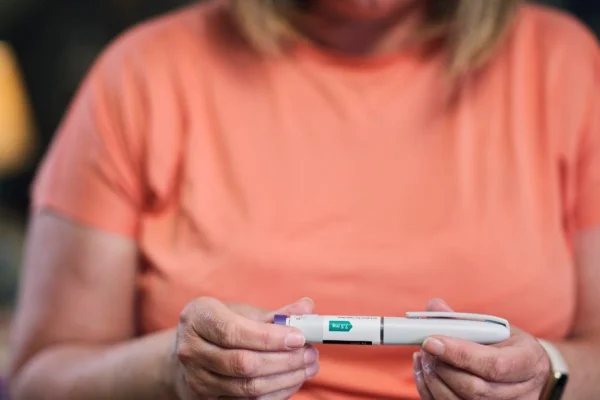
Now, new research suggests that GLP-1 receptor agonists, such as Ozempic and Wegovy, which are commonly prescribed to treat type 2 diabetes and support weight loss, may offer benefits beyond blood sugar control, particularly for those with severe PAD.
The research, published in the Journal of the American Heart Association (JAHA), found that the greatest benefits were seen in people living with type 2 diabetes who also had advanced PAD, or were also living with obesity. However, more studies are necessary to confirm the findings.
Read more:The Onion’s new parody of Alex Jones’ Infowars starts with $100,000 to Sandy Hook families
To investigate whether GLP-1 drugs could improve outcomes for those with both type 2 diabetes and PAD, the research team analyzed electronic health records from the TriNetX global health database.
The team identified adults diagnosed with both conditions between January 2010 and January 2025. After matching participants with similar characteristics, the researchers compared 2,133 people taking GLP-1 medications with 2,133 people treated with metformin alone, the most commonly prescribed first-line medication for type 2 diabetes.
The investigators assessed several health outcomes, including death from any cause, hospitalization, amputation, and the need for procedures to restore blood flow in the legs.
When compared with people taking metformin, those prescribed GLP-1 receptor agonists experienced:
The researchers found no significant differences between the two groups in rates of heart attack, stroke, or serious kidney complications.
Notably, the greatest benefits were observed among those with chronic limb-threatening ischemia, the most severe stage of PAD, and among those living with obesity, defined as a body mass index (BMI) of 30 or higher.
“Patients with chronic limb-threatening ischemia and obesity have a higher burden of inflammation, endothelial dysfunction, and metabolic disease,” study co-author Akiva Rosenzveig, MD, a cardiology fellow at the Cleveland Clinic, told Medical News Today.
“GLP-1 receptor agonists improve many of these processes through weight loss, better glycemic control, anti-inflammatory effects, and improved endothelial function. Because these patients are at the highest baseline risk, they may have the greatest opportunity to benefit,” he explained.
“The most important finding was the consistent reduction in clinically meaningful outcomes across patients with peripheral artery disease and type 2 diabetes.”
— Akiva Rosenzveig, MD
“Patients receiving GLP-1 receptor agonists had lower rates of death, hospitalization, major and minor amputations, and peripheral revascularization over five years. What was particularly striking was that these benefits were even more pronounced in patients with chronic limb-threatening ischemia, the highest-risk form of PAD,” Rosenzveig listed.
“This suggests these medications may have important vascular and limb-preserving effects beyond their established roles in glucose lowering and weight loss,” he said.
While GLP-1 drugs are primarily prescribed to lower blood glucose levels and promote weight loss, researchers believe the medications may have additional effects that benefit blood vessels.
Previous research has suggested that GLP-1 use is associated with fewer complications in those living with moderate PAD.
Researchers propose this may be due to the anti-inflammatory properties of GLP-1s, which may help improve vascular function, as well as provide broad cardiometabolic benefits.
Type 2 diabetes, PAD, and obesity are associated with chronic inflammation, impaired blood vessel function, insulin resistance, oxidative stress, and accelerated hardening of the arteries. As GLP-1 drugs may help reduce inflammation, improve blood vessel health, and improve metabolic control, they could potentially contribute to the improved outcomes observed in the study.
Read more:Alzheimer’s: Anti-inflammatory diet may help reduce risk by up to 29%
However, as the research was observational, it cannot determine whether the medications directly caused these benefits.
“The exact mechanisms are likely multifactorial,” Rosenzveig explained to MNT. “Beyond improving glycemic control and promoting weight loss, GLP-1 receptor agonists have been shown to reduce vascular inflammation, improve endothelial function, enhance nitric oxide bioavailability, and reduce oxidative stress.”
“These effects may slow the progression of atherosclerosis and improve blood flow to the lower extremities. Together with their favorable effects on blood pressure, lipids, and overall cardiometabolic health, these mechanisms provide a biologically plausible explanation for the lower rates of limb events, hospitalization, and mortality that we observed.”
— Akiva Rosenzveig, MD
“While our study cannot establish causation, the consistency of the findings across multiple clinically important outcomes supports the need for prospective randomized trials to confirm these benefits,” Rosenzveig added.
The study findings suggest that clinicians may consider GLP-1 medications for those living with both type 2 diabetes and PAD, particularly individuals at higher risk. GLP-1 drugs may not only reduce the likelihood of amputations and lengthy hospital stays, but may also increase quality of life and longevity.
Read more:Man City confirm deal to sign Elliot Anderson from Nottingham Forest
The study authors also note that in addition to these benefits, PAD currently has limited treatment options.
However, while the results are encouraging, Rosenzveig noted that further research is still necessary to determine exactly how the drugs produce these benefits and whether similar effects might be seen in people with PAD who do not have diabetes.
Additionally, as the analysis relied on electronic health records rather than a randomized clinical trial, it cannot establish a cause-and-effect relationship between GLP-1 drugs and improved outcomes. The authors also add that the electronic medical records may contain coding errors or missing information that could influence the findings.
“Our findings are definitely encouraging and thought-provoking,” Rosenzveig highlighted.
“It is another study that adds to the still small evidence base for GLP-1’s in PAD. However, the major caveat is that this is an observational study and numerous confounding factors are at play. Therefore, we can note this clear association without clear causation. Ultimately, we need large clinical trials that can address this question.”
— Akiva Rosenzveig, MD